


Hey there! As a supplier of pre-insulated pipe supports, I often get asked about the heat-transfer rate of these nifty products. So, let's dive right in and break it down in a way that's easy to understand.
First off, what exactly is heat transfer? Well, it's the movement of thermal energy from one place to another. In the context of pre-insulated pipe supports, we're mainly concerned with how much heat escapes from the pipes through the supports. This is crucial because excessive heat loss can lead to energy inefficiencies, higher operating costs, and even potential damage to the surrounding environment.
The heat-transfer rate of pre-insulated pipe supports depends on several factors. One of the most important ones is the type of insulation material used. Different insulation materials have different thermal conductivity values, which determine how well they can resist the flow of heat. For example, materials like polyurethane foam and mineral wool are known for their low thermal conductivity, making them excellent choices for pre-insulated pipe supports.
Another factor that affects the heat-transfer rate is the thickness of the insulation. Generally speaking, the thicker the insulation, the lower the heat-transfer rate. This is because a thicker layer of insulation provides more resistance to the flow of heat, reducing the amount of energy that can escape from the pipes. However, it's important to note that there's a point of diminishing returns. Adding too much insulation can increase the cost and weight of the pipe supports without providing a significant improvement in heat transfer performance.
The design of the pre-insulated pipe supports also plays a role in determining the heat-transfer rate. Supports that are designed to minimize contact between the pipe and the support structure can help reduce heat transfer. For example, some pipe supports use a floating design, where the pipe is suspended within the support structure, reducing the amount of direct contact and therefore the heat transfer path.
Now, let's talk about some specific types of pre-insulated pipe supports and their heat-transfer rates.
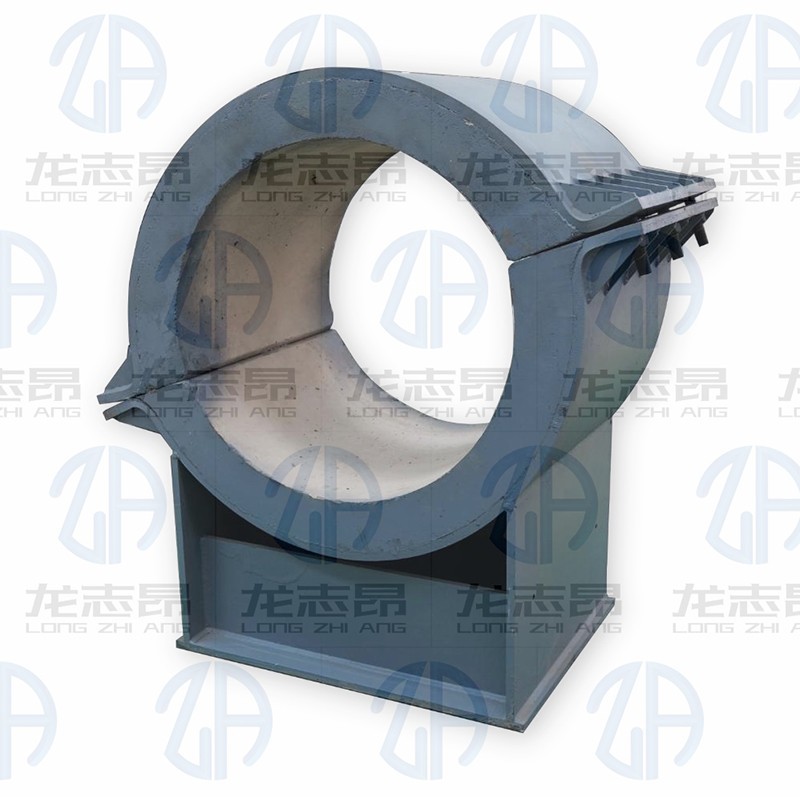
The Vermiculite Insulation Pipe Bracket is a popular choice for many applications. Vermiculite is a natural mineral that has excellent insulation properties. It has a relatively low thermal conductivity, which helps to reduce heat transfer from the pipes. The heat-transfer rate of a vermiculite insulation pipe bracket will depend on the thickness of the vermiculite layer and the design of the bracket.
The Steam Pipeline Insulation Pipe Bracket is specifically designed for use in steam pipelines. Steam pipelines operate at high temperatures, so it's crucial to have pipe supports that can effectively reduce heat transfer. These brackets often use high-performance insulation materials and advanced designs to minimize heat loss. The heat-transfer rate of a steam pipeline insulation pipe bracket will depend on factors such as the insulation material, thickness, and the operating conditions of the pipeline.
The Hot Insulation Pipe Support is another option for applications where high temperatures are involved. These supports are designed to provide excellent insulation and support for hot pipes. They can use a variety of insulation materials, depending on the specific requirements of the application. The heat-transfer rate of a hot insulation pipe support will be influenced by the same factors as other types of pre-insulated pipe supports, such as the insulation material, thickness, and design.
So, how can you determine the heat-transfer rate of a pre-insulated pipe support for your specific application? Well, one way is to consult with a professional engineer or a supplier like me. We can help you select the right type of pipe support based on your requirements and provide you with estimates of the heat-transfer rate.
Another option is to conduct thermal testing. This involves measuring the temperature difference between the inside and outside of the pipe support under specific operating conditions. By analyzing the data, you can calculate the heat-transfer rate and determine if the pipe support is performing as expected.
In conclusion, the heat-transfer rate of pre-insulated pipe supports is an important factor to consider when selecting the right support for your pipes. By understanding the factors that affect heat transfer and choosing the right insulation material, thickness, and design, you can minimize heat loss, improve energy efficiency, and reduce operating costs.
If you're in the market for pre-insulated pipe supports and want to learn more about our products or discuss your specific requirements, don't hesitate to reach out. We're here to help you find the best solution for your needs.
References

- Incropera, F. P., & DeWitt, D. P. (2002). Fundamentals of Heat and Mass Transfer. John Wiley & Sons.
- Holman, J. P. (2002). Heat Transfer. McGraw-Hill.