


The aerospace industry is a realm where precision, reliability, and innovation converge. It demands materials and components that can withstand extreme conditions, from the frigid cold of space to the intense heat generated during re - entry. As a supplier of cold shoes for carbon steel pipes, I often find myself contemplating the question: Can cold shoes for carbon steel pipes be used in aerospace industries?

Understanding Cold Shoes for Carbon Steel Pipes
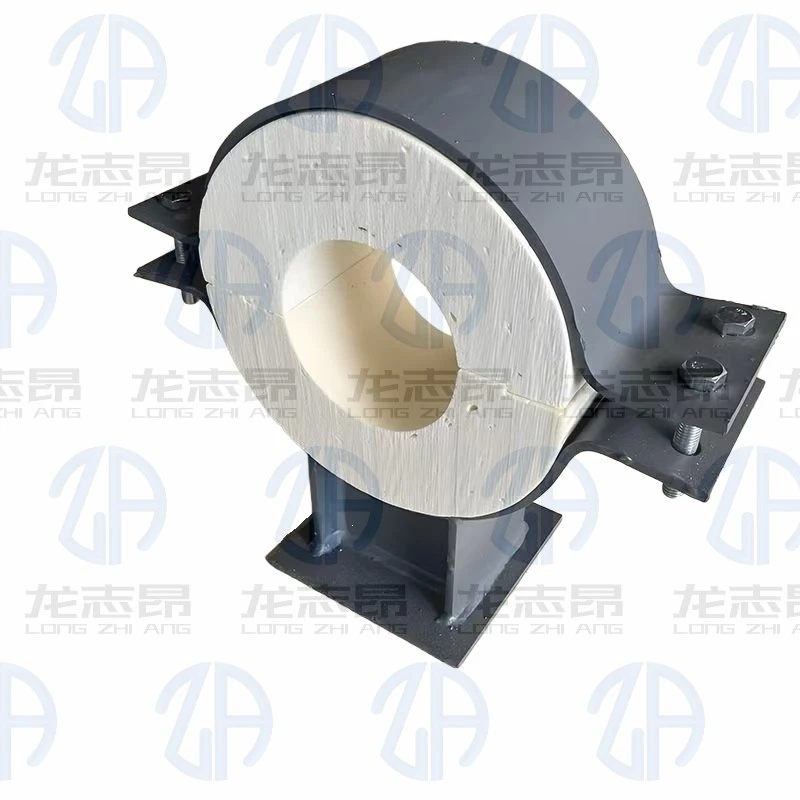
Cold shoes for carbon steel pipes are specialized components designed to support and insulate pipes in low - temperature environments. They are typically made from carbon steel, which offers excellent strength and durability. The main function of these cold shoes is to prevent heat transfer from the surrounding environment to the pipe, thereby maintaining the low temperature of the fluid inside the pipe. This is crucial in applications such as refrigeration systems, cryogenic storage, and industrial cooling processes.
Cold shoes are equipped with insulation materials that have low thermal conductivity. These materials act as a barrier, reducing the rate of heat transfer. Some common insulation materials used in cold shoes include polyurethane foam, fiberglass, and calcium silicate. The design of cold shoes also takes into account factors such as load - bearing capacity, vibration resistance, and corrosion protection.
Requirements of the Aerospace Industry
The aerospace industry has a set of unique and stringent requirements. Components used in aerospace applications must be lightweight, yet strong enough to withstand high mechanical stresses. They need to be resistant to extreme temperatures, radiation, and corrosion. Additionally, aerospace components must meet strict safety and reliability standards, as any failure can have catastrophic consequences.
In terms of temperature, the aerospace environment presents a wide range of challenges. In space, temperatures can drop to extremely low levels, reaching as low as - 270°C. On the other hand, during re - entry into the Earth's atmosphere, components are exposed to intense heat, with temperatures soaring up to several thousand degrees Celsius.
Potential Suitability of Cold Shoes for Carbon Steel Pipes in Aerospace
Temperature Resistance
One of the key aspects to consider is the temperature resistance of cold shoes for carbon steel pipes. While carbon steel itself has good strength at low temperatures, the insulation materials used in cold shoes need to be carefully evaluated. Some of the common insulation materials, such as polyurethane foam, may not be suitable for the extreme temperature ranges encountered in aerospace applications. However, there are advanced insulation materials available that can withstand very low temperatures and also provide some level of heat resistance.
For example, aerogels are a class of materials that have extremely low thermal conductivity and can withstand a wide range of temperatures. If cold shoes for carbon steel pipes are designed with aerogel insulation, they could potentially be used in aerospace applications where low - temperature insulation is required.
Weight
Weight is a critical factor in the aerospace industry. Carbon steel is a relatively heavy material compared to some of the advanced alloys and composites used in aerospace. However, the design of cold shoes can be optimized to reduce weight without sacrificing strength. For instance, using thinner - walled carbon steel and integrating lightweight insulation materials can help in achieving a more favorable weight - to - strength ratio.
Safety and Reliability
The aerospace industry has strict safety and reliability standards. Cold shoes for carbon steel pipes need to undergo rigorous testing to ensure that they can meet these standards. This includes testing for fatigue resistance, vibration resistance, and corrosion resistance. Any potential failure of a cold shoe in an aerospace application could lead to damage to the pipes, leakage of fluids, and ultimately, a safety hazard.
Existing Applications and Case Studies
While there may not be widespread use of cold shoes for carbon steel pipes in the aerospace industry currently, there are some related applications that provide insights. In cryogenic fuel storage systems for rockets, there is a need for effective insulation to maintain the low temperature of the fuel. Similar principles of cold insulation used in cold shoes for carbon steel pipes can be applied in these systems.
For example, in some rocket fuel storage tanks, insulated supports are used to prevent heat transfer to the cryogenic fuel. These supports are designed to be lightweight and have high - performance insulation. Although they may not be exactly the same as cold shoes for carbon steel pipes, they share some similarities in terms of function and design requirements.
Product Offerings
As a supplier of cold shoes for carbon steel pipes, we offer a range of products that are designed to meet different requirements. Our Cold Shoe Insulated Pipe Supports are made with high - quality carbon steel and are equipped with efficient insulation materials. They are suitable for a variety of low - temperature applications, including industrial refrigeration and cryogenic storage.
Our Red Pine Cold Insulation Pipe Holder is another product that offers excellent insulation properties. It is designed to hold pipes securely while providing effective thermal insulation.
We also have Pre Insulated Low Temperature Pipe Supports that are pre - fabricated with high - performance insulation materials. These supports are easy to install and can be customized to meet specific requirements.
Future Prospects
The future prospects of using cold shoes for carbon steel pipes in the aerospace industry depend on several factors. Continued research and development in materials science may lead to the discovery of new insulation materials and manufacturing techniques that can make cold shoes more suitable for aerospace applications.
There is also a growing trend towards the use of more complex and advanced piping systems in aerospace, especially in future space exploration missions. These systems will require effective insulation and support, creating potential opportunities for cold shoes for carbon steel pipes.
Conclusion
In conclusion, while there are challenges to overcome, cold shoes for carbon steel pipes have the potential to be used in the aerospace industry. With the right combination of advanced materials, optimized design, and rigorous testing, these components can meet the demanding requirements of aerospace applications.
If you are interested in exploring the use of our cold shoes for carbon steel pipes in your aerospace projects, we invite you to contact us for further discussion. We are eager to engage in procurement negotiations and work with you to develop customized solutions that meet your specific needs.
References
- "Materials for Aerospace Applications" - A comprehensive textbook on aerospace materials.
- "Thermal Insulation in Cryogenic Systems" - Research papers on the principles of thermal insulation in low - temperature systems.
- Industry standards and guidelines for aerospace components, such as those issued by NASA and the European Space Agency.