


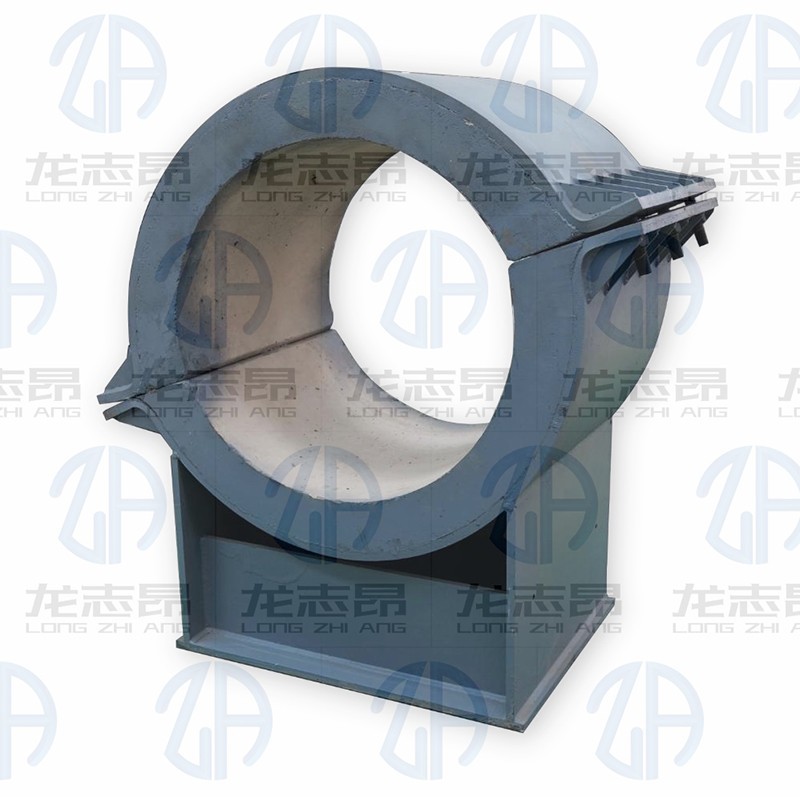
Installing steam pipeline insulation pipe brackets in a narrow space presents unique challenges that require careful planning, the right tools, and expert knowledge. As a leading supplier of Steam Pipeline Insulation Pipe Brackets, we understand these challenges well and are here to share our insights on how to tackle this task effectively.
Pre - project Preparation
Site Assessment
Before starting the installation, a thorough site assessment is crucial. In a narrow space, you need to measure every dimension precisely. Note the available clearance around the pipeline, the distance from walls, and any obstacles such as electrical wires, other pipes, or structural elements. This assessment will help you determine the type and size of pipe brackets that can fit in the space. For example, if the space is extremely tight, you may need to opt for a more compact Pre Insulated Pipe Supports design.
Material and Tool Gathering
Once the site assessment is complete, gather all the necessary materials and tools. You will need the appropriate insulation pipe brackets, fasteners (such as bolts, nuts, and washers), insulation materials, and tools like wrenches, screwdrivers, measuring tape, and a level. Ensure that the brackets you choose are suitable for steam pipelines, as they need to withstand high temperatures and pressure. Our Vermiculite Insulation Pipe Bracket is an excellent option, which offers high - temperature resistance and good insulation performance.
Installation Process
Pipeline Cleaning and Marking
Start by cleaning the surface of the steam pipeline where the brackets will be installed. Remove any debris, rust, or oil to ensure a secure fit. Next, mark the positions where the brackets will be placed. Use a measuring tape and a level to ensure accurate spacing between brackets. In a narrow space, precise marking is even more important to avoid any fitting issues later.
Bracket Assembly
Assemble the pipe brackets according to the manufacturer's instructions. In some cases, you may need to pre - drill holes in the brackets or attach additional components. Pay close attention to the alignment of the parts to ensure proper functionality. If you are using Power Plant Pipe Supports, make sure that they are assembled correctly to meet the specific requirements of power plant operations.
Bracket Installation
Carefully position the assembled brackets onto the marked positions on the pipeline. In a narrow space, this may require some maneuvering. You may need to use special tools or techniques to get the brackets into place. Once the brackets are in position, secure them using the appropriate fasteners. Tighten the bolts evenly to prevent any uneven stress on the brackets or the pipeline.
Insulation Installation
After the brackets are installed, it's time to install the insulation. The insulation helps to reduce heat loss and protect the pipeline from external factors. Cut the insulation material to the appropriate size and wrap it around the pipeline and brackets. Make sure there are no gaps or overlaps in the insulation. Use insulation tapes or adhesives to secure the insulation in place.
Safety Considerations
Personal Protective Equipment (PPE)
Always wear appropriate PPE during the installation process. This includes safety glasses, gloves, hard hats, and safety shoes. In a narrow space, there is a higher risk of head injuries, cuts, and abrasions, so PPE is essential to protect yourself.
Ventilation
Steam pipelines can emit hot air and potentially harmful gases. Ensure that the narrow space has proper ventilation to prevent the accumulation of these substances. If necessary, use fans or other ventilation equipment to keep the air fresh.
Electrical Safety
Be aware of any electrical wires or equipment in the vicinity. Avoid contact with live wires and ensure that all electrical connections are properly insulated. If you need to work near electrical equipment, follow all electrical safety procedures.
Troubleshooting and Maintenance
Even with careful planning and installation, issues may arise. If you notice any signs of bracket loosening, insulation damage, or abnormal heat loss, take immediate action. Check the fasteners for tightness and replace any damaged parts. Regularly inspect the brackets and insulation to ensure their long - term performance.
Conclusion
Installing steam pipeline insulation pipe brackets in a narrow space is a challenging but achievable task. By following the steps outlined above, conducting a thorough site assessment, using the right materials and tools, and adhering to safety procedures, you can ensure a successful installation. As a trusted supplier of Steam Pipeline Insulation Pipe Brackets, we are committed to providing you with high - quality products and expert advice. If you are in need of our products or have any questions about installation, please feel free to contact us for procurement and further discussions.

References
- "Pipe Support Handbook" - A comprehensive guide on pipe support design and installation.
- Industry standards and codes related to steam pipeline installation and insulation.