


As a supplier of pipe brace clamps, I often encounter inquiries from customers about the suitability of our products for electrical conduit pipes. This blog post aims to delve into this question, providing a comprehensive analysis based on industry knowledge and practical experience.
Understanding Pipe Brace Clamps and Electrical Conduit Pipes
Before we explore whether pipe brace clamps can be used for electrical conduit pipes, it's essential to understand what these two components are.
Pipe brace clamps are mechanical devices designed to secure pipes in place, preventing movement, vibration, and displacement. They come in various types, such as 2 Bolt Pipe Clamp Double Bolt Pipe Clamp, Steel Pipe Riser Clamps, and Three Bolt Pipe Clamp. These clamps are typically made of materials like steel, stainless steel, or aluminum, which offer different levels of strength, durability, and corrosion resistance.

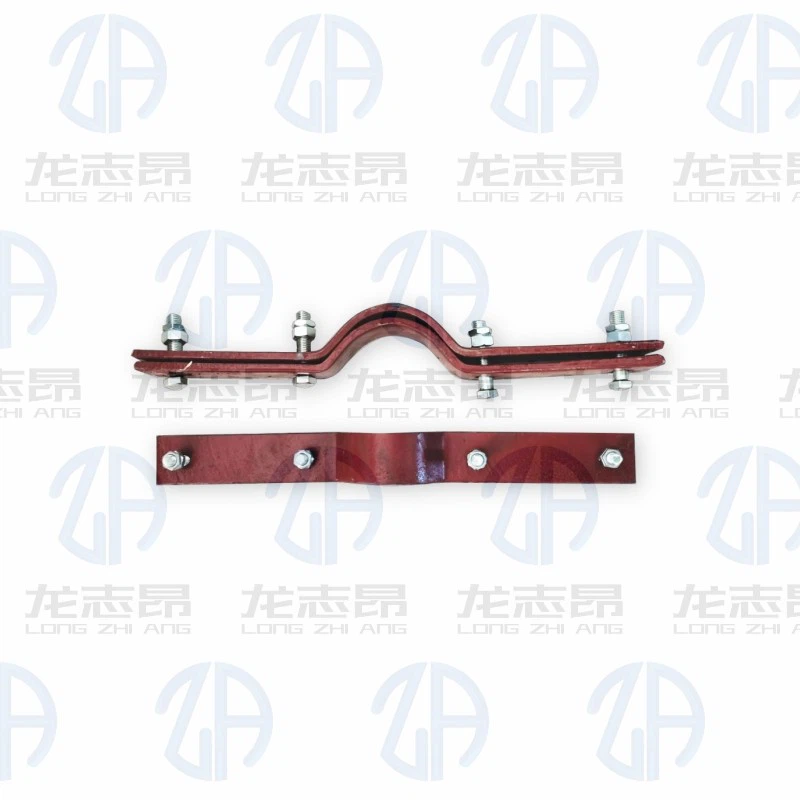
On the other hand, electrical conduit pipes are used to protect and route electrical wiring in buildings, industrial facilities, and other structures. They can be made of various materials, including metal (such as steel or aluminum) and non - metal (such as PVC). Electrical conduit pipes need to meet specific electrical safety standards and requirements.
Factors to Consider When Using Pipe Brace Clamps for Electrical Conduit Pipes
Compatibility of Materials
The first factor to consider is the compatibility of the materials of the pipe brace clamps and the electrical conduit pipes. For example, if the electrical conduit is made of PVC, using a metal pipe brace clamp may cause damage to the PVC pipe due to the difference in hardness and the potential for abrasion. In such cases, non - metal or rubber - lined clamps may be more suitable to prevent damage to the conduit.
If both the clamp and the conduit are made of metal, it's important to ensure that there is no risk of galvanic corrosion. Galvanic corrosion occurs when two different metals are in contact in the presence of an electrolyte (such as moisture). For instance, if a steel clamp is used with an aluminum conduit, galvanic corrosion may occur over time, weakening the connection and potentially compromising the safety of the electrical system.
Electrical Insulation
Electrical safety is of utmost importance when dealing with electrical conduit pipes. Pipe brace clamps should not compromise the electrical insulation of the conduit. If the clamp is made of a conductive material and is in direct contact with the electrical wiring inside the conduit, it could create a short - circuit or pose an electrocution hazard.
In some cases, non - conductive clamps or clamps with insulating liners may be required to ensure that there is no electrical contact between the clamp and the wiring. This is especially important in high - voltage electrical systems or in environments where electrical safety is a critical concern.
Mechanical Support
One of the primary functions of pipe brace clamps is to provide mechanical support to the pipes. When used for electrical conduit pipes, the clamp should be able to securely hold the conduit in place, preventing it from sagging, vibrating, or moving. This is crucial to ensure the integrity of the electrical wiring inside the conduit.
The size and type of the clamp should be selected based on the diameter and weight of the electrical conduit. For example, a larger and heavier conduit may require a more robust clamp, such as a three - bolt pipe clamp, to provide adequate support.
Installation and Maintenance
The ease of installation and maintenance is another important factor. Pipe brace clamps should be easy to install on the electrical conduit without causing damage to the conduit or the wiring. They should also be accessible for inspection and maintenance purposes.
During installation, it's important to follow the manufacturer's instructions carefully to ensure that the clamp is installed correctly. Improper installation can lead to a weak connection, which may compromise the safety and performance of the electrical system.
Advantages of Using Pipe Brace Clamps for Electrical Conduit Pipes
Cost - Effectiveness
Using pipe brace clamps for electrical conduit pipes can be a cost - effective solution. Compared to some specialized electrical conduit support systems, pipe brace clamps are generally more affordable and widely available. This can result in significant cost savings, especially for large - scale electrical projects.
Versatility
Pipe brace clamps come in a wide range of sizes and types, which makes them suitable for different types and sizes of electrical conduit pipes. Whether you are dealing with small - diameter PVC conduits or large - diameter metal conduits, there is likely a pipe brace clamp that can meet your needs.
Strength and Durability
Many pipe brace clamps are made of high - quality materials, such as steel or stainless steel, which offer excellent strength and durability. They can withstand harsh environmental conditions, such as high temperatures, humidity, and vibration, ensuring the long - term stability of the electrical conduit system.
Disadvantages and Limitations
Potential for Electrical Hazards
As mentioned earlier, if not properly selected and installed, pipe brace clamps can pose electrical hazards. Conductive clamps in direct contact with electrical wiring can create short - circuits or electrocution risks. Therefore, it's crucial to take appropriate precautions to ensure electrical safety.
Limited Aesthetic Appeal
In some applications, especially in commercial or residential buildings where aesthetics are important, pipe brace clamps may not be the most visually appealing option. They may be more suitable for industrial or utility applications where functionality is the primary concern.
Conclusion
In conclusion, pipe brace clamps can be used for electrical conduit pipes, but several factors need to be carefully considered. Compatibility of materials, electrical insulation, mechanical support, installation, and maintenance are all important aspects that should be taken into account to ensure the safety and performance of the electrical system.
While there are some disadvantages and limitations, the advantages of using pipe brace clamps, such as cost - effectiveness, versatility, and strength, make them a viable option for many electrical conduit applications.
If you are considering using pipe brace clamps for your electrical conduit pipes, I encourage you to reach out to discuss your specific requirements. Our team of experts can provide you with detailed information and guidance on selecting the right pipe brace clamps for your project. We are committed to providing high - quality products and excellent customer service to meet your needs.
References
- National Electrical Code (NEC)
- American Society of Mechanical Engineers (ASME) standards related to pipe support
- Manufacturer's specifications for pipe brace clamps and electrical conduit pipes