


Hey there! As a supplier of LNG pipe supports, I'm super excited to chat with you about the materials commonly used for these crucial components. LNG, or liquefied natural gas, is a big deal in the energy world. It's transported and stored at extremely low temperatures, around -162°C (-260°F), so the pipe supports need to be up to the task.
1. Stainless Steel
Stainless steel is a real workhorse when it comes to LNG pipe supports. It's got some amazing properties that make it a top choice. First off, it's highly corrosion - resistant. LNG systems often operate in harsh environments, and corrosion can weaken the pipe supports over time. With stainless steel, you don't have to worry as much about rust and other forms of corrosion eating away at the structure.
Another great thing about stainless steel is its strength. It can handle the weight of the LNG pipes, even when they're full of the liquid gas. And it maintains its strength at low temperatures. You know, some materials become brittle in the cold, but stainless steel stays tough. This is really important because any failure in the pipe supports could lead to leaks or other dangerous situations.
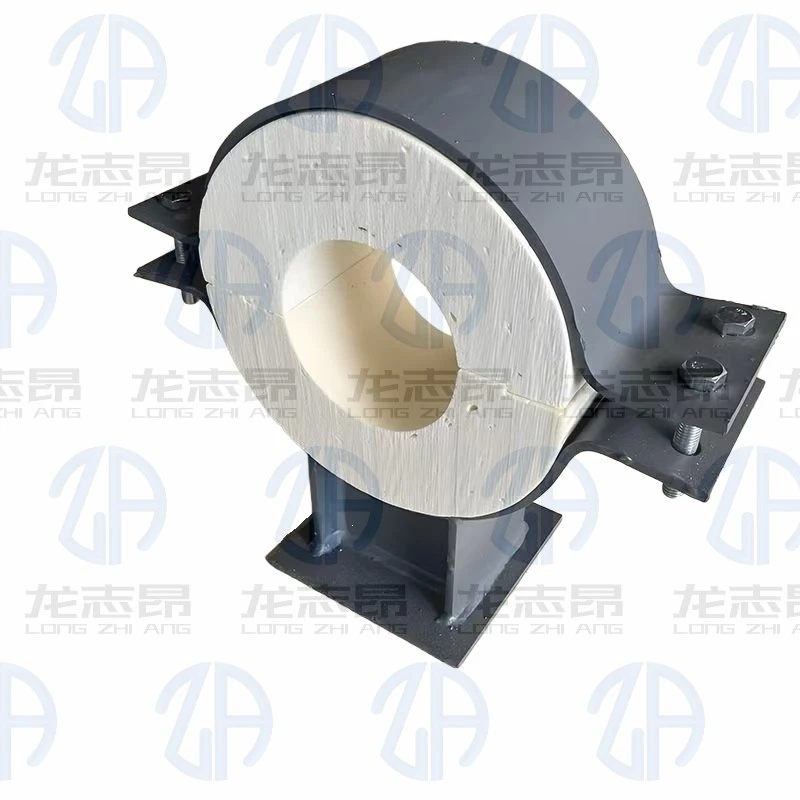
We use stainless steel in a variety of our LNG pipe support products. Whether it's the brackets that hold the pipes in place or the frames that provide structural support, stainless steel gets the job done. You can check out our Pre Insulated Low Temperature Pipe Supports which often incorporate stainless steel components for added durability.
2. Carbon Steel with Special Coatings
Carbon steel is also commonly used, but it needs a little extra help in the LNG environment. By itself, carbon steel is prone to corrosion, especially at low temperatures. So, we apply special coatings to protect it.
These coatings act as a barrier between the carbon steel and the surrounding environment. They can be things like epoxy coatings or zinc - based coatings. The epoxy coatings are great because they're tough and can adhere well to the steel surface. Zinc - based coatings, on the other hand, provide sacrificial protection. That means the zinc corrodes first, saving the steel underneath.
We have a range of Cold Shoes for Carbon Steel Pipes that use carbon steel with these special coatings. They're designed to be cost - effective while still providing reliable support for the LNG pipes.
3. Insulation Materials
Insulation is a key part of LNG pipe supports. The goal is to minimize heat transfer between the cold LNG inside the pipes and the surrounding environment. One of the most common insulation materials we use is polyurethane foam.
Polyurethane foam is lightweight and has excellent thermal insulation properties. It can be easily molded into different shapes, which is great for fitting around the pipes and the support structures. It also has good adhesion, so it stays in place. Another benefit is that it's relatively inexpensive compared to some other insulation materials.
We also use red pine in some of our insulation products. The Red Pine Cold Insulation Pipe Holder is a prime example. Red pine has natural insulating properties and is a more environmentally - friendly option. It's also strong enough to provide some support along with its insulation benefits.
4. Composite Materials
Composite materials are becoming more and more popular in LNG pipe supports. These materials are made by combining two or more different materials to get the best properties of each. For example, a composite might combine a strong fiber material with a resin matrix.
The advantage of composite materials is that they can be tailored to have specific properties. We can make them lightweight, yet very strong. They can also have good thermal insulation properties, which is a huge plus for LNG applications. And they're often resistant to chemicals and corrosion, just like stainless steel.
5. Rubber and Elastomers
Rubber and elastomers are used in some LNG pipe support applications for their shock - absorbing and vibration - dampening properties. LNG pipes can experience vibrations due to the flow of the liquid gas and the operation of pumps and other equipment. These vibrations can cause damage to the pipes and the support structures over time.
Rubber and elastomers can absorb these vibrations, reducing the stress on the pipes and the supports. They're also flexible, which allows them to adapt to small movements in the pipes without breaking. We use rubber and elastomers in some of our flexible pipe support systems to ensure a long - lasting and reliable installation.
Why Choose Our LNG Pipe Supports?
We've been in the business of supplying LNG pipe supports for a long time. We know the ins and outs of these materials and how to use them effectively. Our products are designed and manufactured to the highest quality standards. We test each and every support to make sure it can handle the extreme conditions of LNG applications.

Whether you need a simple pipe bracket or a complex support system, we've got you covered. Our team of experts is always ready to help you choose the right materials and products for your specific needs.
If you're in the market for LNG pipe supports, don't hesitate to reach out. We're here to have a chat, answer your questions, and help you find the best solutions for your project. Let's start a conversation about how we can work together to make your LNG system a success.
References
- ASME B31.3 Process Piping Code
- API 620 Design and Construction of Large, Welded, Low - Pressure Storage Tanks
- ASTM Standards for Metals and Insulation Materials