


Hey there! As a supplier of Spring Loaded Pipe Supports, I often get asked about the temperature resistance of these nifty devices. So, I thought I'd sit down and write a blog post to share some insights on this topic.
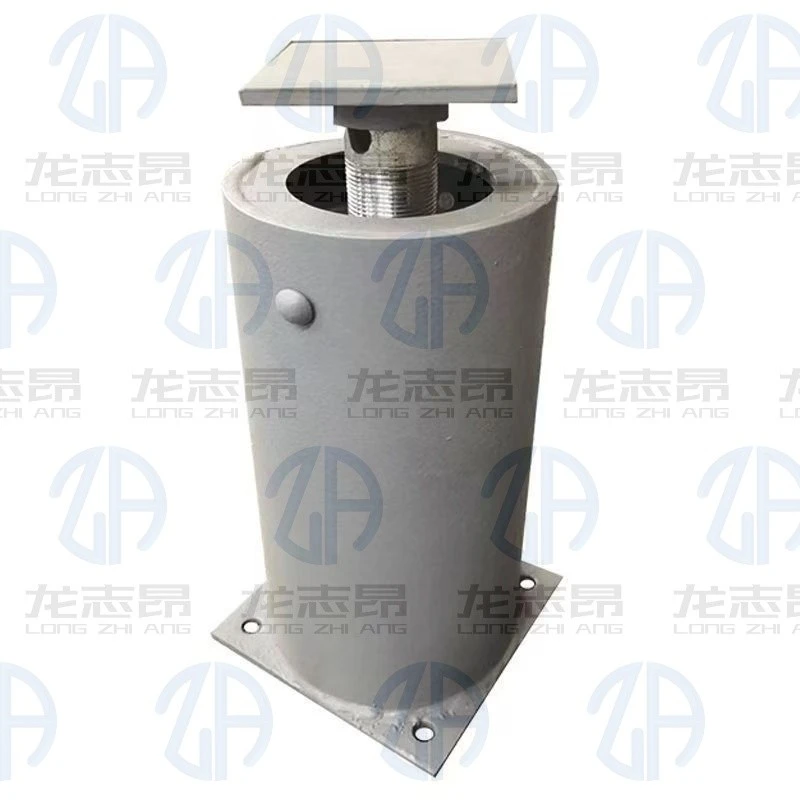
First off, let's talk about what Spring Loaded Pipe Supports are. These are essential components in piping systems, designed to support pipes and absorb the thermal expansion and contraction that occurs as the temperature of the fluid inside the pipes changes. They're like the unsung heroes of the piping world, working quietly in the background to ensure the smooth operation of industrial processes.
Now, when it comes to temperature resistance, Spring Loaded Pipe Supports need to be able to withstand a wide range of temperatures. In industrial settings, pipes can carry fluids at extremely high or low temperatures, and the supports must be able to maintain their structural integrity and functionality under these conditions.
The temperature resistance of Spring Loaded Pipe Supports depends on several factors, including the materials used in their construction, the design of the support, and the specific application. Let's take a closer look at each of these factors.
Materials
The materials used in Spring Loaded Pipe Supports play a crucial role in determining their temperature resistance. Most commonly, these supports are made from high-quality steel alloys, which offer excellent strength and durability. However, different steel alloys have different temperature limits.
For example, carbon steel is a popular choice for many applications due to its relatively low cost and good mechanical properties. It can typically withstand temperatures up to around 400°C (752°F). Beyond this temperature, carbon steel begins to lose its strength and may become more susceptible to deformation.
Stainless steel, on the other hand, is known for its corrosion resistance and can handle higher temperatures. Austenitic stainless steels, such as 304 and 316, can withstand temperatures up to around 800°C (1472°F) without significant loss of strength. This makes them suitable for applications where the pipes carry hot fluids or are exposed to high-temperature environments.
In some cases, special alloys may be used for Spring Loaded Pipe Supports that need to withstand even higher temperatures. For instance, nickel-based alloys like Inconel can handle temperatures well above 1000°C (1832°F). These alloys are often used in extreme applications, such as in power plants or chemical processing facilities.
Design
The design of Spring Loaded Pipe Supports also affects their temperature resistance. A well-designed support will be able to distribute the load evenly and minimize stress concentrations, which can help prevent premature failure at high temperatures.
One important design feature is the spring mechanism. The springs in these supports are responsible for absorbing the movement of the pipes due to thermal expansion and contraction. The type and size of the springs used can impact the support's performance at different temperatures. For example, springs made from high-temperature alloys may be used in applications where the temperature is expected to be very high.
Another design consideration is the way the support is attached to the pipe and the structure. A secure and stable attachment is essential to ensure that the support can function properly under varying temperatures. Some supports are designed with adjustable features, which allow for easy installation and fine-tuning to accommodate different temperature conditions.

Application
The specific application of Spring Loaded Pipe Supports also determines the required temperature resistance. Different industries have different temperature requirements for their piping systems.
In the oil and gas industry, for example, pipes may carry hot crude oil or natural gas at temperatures that can reach several hundred degrees Celsius. Spring Loaded Pipe Supports used in these applications need to be able to withstand these high temperatures and the associated thermal stresses.
In the food and beverage industry, on the other hand, the temperature requirements may be much lower. Pipes in these facilities typically carry water, milk, or other liquids at relatively moderate temperatures. However, even in these applications, the supports still need to be able to handle some degree of temperature variation.
So, how do you choose the right Spring Loaded Pipe Supports with the appropriate temperature resistance for your application? Here are some tips:
- Understand your temperature requirements: Determine the maximum and minimum temperatures that the pipes will be exposed to. This will help you narrow down the options and choose a support that can handle these temperatures.
- Consider the material: Based on your temperature requirements, select a support made from a material that can withstand the expected temperatures. Consult with a supplier or an engineer if you're unsure which material is best for your application.
- Evaluate the design: Look for a support with a well-designed spring mechanism and a secure attachment system. A good design will ensure that the support can function effectively under different temperature conditions.
- Check for certifications: Make sure the Spring Loaded Pipe Supports you choose meet the relevant industry standards and certifications. This will give you confidence in their quality and performance.
At our company, we offer a wide range of Spring Loaded Pipe Supports that are designed to meet the diverse temperature requirements of different industries. Our Spring Hanger Pipe Supports and Variable Spring Pipe Support are made from high-quality materials and feature innovative designs to ensure reliable performance in even the most challenging environments.
If you're in the market for Spring Loaded Pipe Supports and need help choosing the right ones for your application, don't hesitate to get in touch with us. Our team of experts is here to assist you and provide you with the best solutions for your piping needs. Whether you have questions about temperature resistance, installation, or maintenance, we're happy to answer them.
In conclusion, the temperature resistance of Spring Loaded Pipe Supports is a critical factor to consider when selecting these components for your piping system. By understanding the materials, design, and application requirements, you can choose the right supports that will ensure the safe and efficient operation of your pipes. So, if you're looking for high-quality Spring Loaded Pipe Supports with excellent temperature resistance, give us a call or send us an email. We'd love to work with you and help you find the perfect solution for your project.
References
- ASME B31.3 Process Piping Code
- API 610 Centrifugal Pumps for Petroleum, Heavy Chemical, and Gas Industry Services
- Manufacturer's product literature on Spring Loaded Pipe Supports