


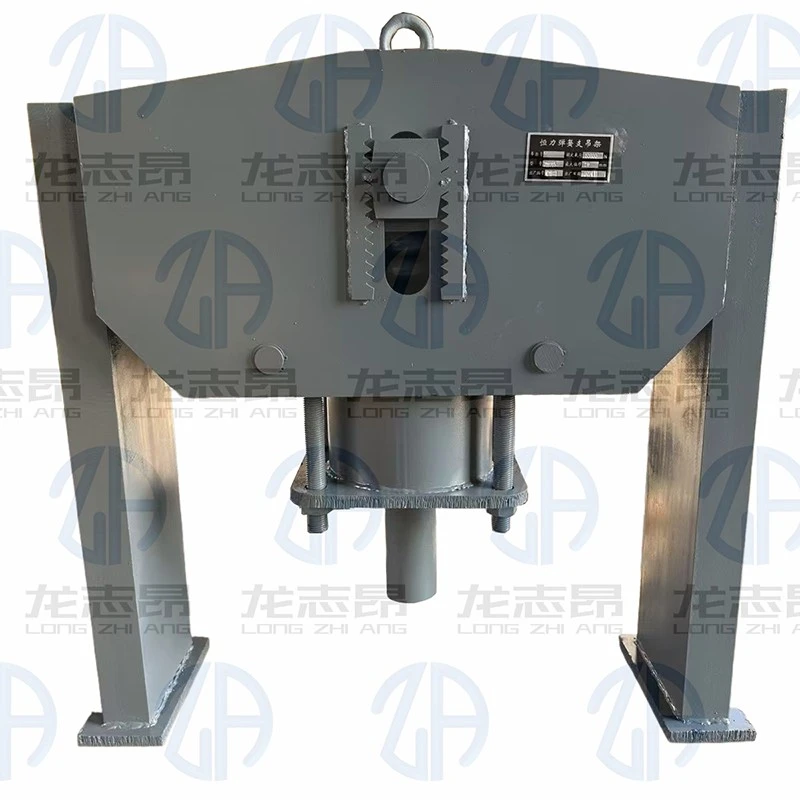
As a supplier of Constant Spring Hanger Supports, I've seen firsthand how crucial proper packaging is during transportation. In this blog, I'll walk you through the packaging requirements to ensure your Constant Spring Hanger Supports arrive at their destination in top - notch condition.
Why Packaging Matters
First off, let's talk about why packaging is such a big deal. Constant Spring Hanger Supports are precision - engineered components. They're used in various industries, like power plants, refineries, and chemical plants, to support pipes and equipment. Any damage during transit can mess up their performance and lead to costly repairs or replacements. So, getting the packaging right is essential to avoid these headaches.
Material Selection for Packaging
When it comes to packaging Constant Spring Hanger Supports, the choice of materials is key. We usually start with a sturdy wooden crate. Wood is great because it's strong, durable, and can withstand a fair amount of rough handling. It also provides good protection against impacts and vibrations during transportation.
For the interior, we use foam or rubber padding. Foam is lightweight and can be easily cut to fit the shape of the hanger support. It cushions the product and absorbs shocks. Rubber padding, on the other hand, is more flexible and can conform to irregular surfaces. It's especially useful for protecting the more delicate parts of the hanger support, like the springs.
Designing the Packaging
The design of the packaging should be tailored to the specific shape and size of the Constant Spring Hanger Support. We measure the dimensions of the hanger support accurately and then design a crate that fits it snugly. This reduces the movement of the product inside the crate, minimizing the risk of damage.
We also make sure to create compartments or dividers inside the crate. This helps to separate different parts of the hanger support, such as the springs, brackets, and bolts. By keeping the parts organized, we prevent them from rubbing against each other and causing scratches or dents.
Securing the Constant Spring Hanger Support
Once the hanger support is placed inside the crate, we need to secure it properly. We use straps or ropes to tie down the hanger support to the crate. This keeps it in place during transit and prevents it from shifting around.
For the springs, we take extra precautions. We use special clips or fasteners to hold the springs in a compressed position. This not only protects the springs from getting damaged but also ensures that they don't lose their tension during transportation.
Labeling the Packaging
Labeling is an important part of the packaging process. We label the crate with clear and detailed information about the Constant Spring Hanger Support. This includes the product name, model number, size, and weight. We also add handling instructions, such as "This Side Up" and "Fragile". These labels help the handlers to transport the product safely and correctly.
Moisture and Rust Protection
Constant Spring Hanger Supports are often made of metal, which means they're prone to rust. To prevent this, we use moisture - resistant materials in the packaging. We line the inside of the crate with plastic sheeting to keep out moisture. We also add desiccant packets to absorb any excess moisture that might get inside the crate.
In addition, we apply a thin layer of anti - rust coating to the hanger support before packaging. This provides an extra layer of protection against rust and corrosion.
Testing the Packaging
Before we ship out the Constant Spring Hanger Supports, we conduct thorough testing of the packaging. We simulate different transportation conditions, such as vibrations, shocks, and drops. This helps us to identify any weaknesses in the packaging and make necessary improvements.
We also test the packaging for durability. We subject the crates to different environmental conditions, like high humidity and extreme temperatures. This ensures that the packaging can withstand the rigors of long - distance transportation.
Special Considerations for Different Transportation Modes
The packaging requirements may vary depending on the transportation mode. For example, if the hanger supports are being shipped by sea, they need to be more resistant to saltwater and high humidity. We use heavier - duty packaging materials and add extra layers of protection against corrosion.
If the product is being transported by air, weight becomes a more important factor. We try to use lightweight packaging materials without compromising on the protection. We also make sure that the packaging meets the airline's size and weight restrictions.
Cost - Effectiveness of Packaging
While it's important to provide high - quality packaging, we also need to consider the cost. We try to find a balance between the level of protection and the cost of packaging. We source our packaging materials from reliable suppliers at competitive prices. We also optimize the design of the packaging to reduce waste and lower the overall cost.
Conclusion
Proper packaging of Constant Spring Hanger Supports during transportation is crucial to ensure their safe arrival and optimal performance. By using the right materials, designing a suitable packaging, securing the product, and taking precautions against moisture and rust, we can minimize the risk of damage.
If you're in the market for Constant Spring Hanger Support, Spring Loaded Pipe Supports, or Double Spring Support Hanger Pipe Bracket, and want to ensure they're well - packaged for transportation, don't hesitate to reach out. We're here to provide you with high - quality products and expert advice on packaging. Contact us to start a discussion about your procurement needs.

References
- Industry standards for packaging of industrial components
- Manufacturer's guidelines for Constant Spring Hanger Supports
- Research on transportation - related damage prevention