


Measures to Improve the Long - Term Reliability of Spring Loaded Pipe Supports
As a supplier of Spring Loaded Pipe Supports, I understand the critical role these components play in various industrial applications. Ensuring their long - term reliability is not only essential for the smooth operation of piping systems but also for the safety and efficiency of the entire industrial facility. In this blog, I will discuss several measures that can be taken to improve the long - term reliability of Spring Loaded Pipe Supports.
1. Material Selection
The choice of materials is fundamental to the reliability of Spring Loaded Pipe Supports. High - quality materials can withstand harsh environmental conditions, mechanical stress, and corrosion over an extended period. For springs, materials such as high - strength alloy steels are commonly used. These steels offer excellent fatigue resistance, which is crucial as springs are subjected to repeated loading and unloading cycles.
For the housing and other structural components of the pipe supports, stainless steel or carbon steel with proper coatings can be selected. Stainless steel provides good corrosion resistance, making it suitable for applications in corrosive environments such as chemical plants or offshore platforms. Carbon steel, on the other hand, is more cost - effective and can be coated with anti - corrosion paints or galvanized to enhance its durability. By carefully selecting the right materials, we can significantly extend the service life of Spring Loaded Pipe Supports. For more information on our range of Spring Hanger Pipe Supports, you can visit our website.
2. Precise Design and Engineering
A well - designed Spring Loaded Pipe Support is the key to its long - term reliability. The design should take into account various factors such as the weight of the pipe, the thermal expansion and contraction of the pipe, the dynamic loads caused by fluid flow, and the environmental conditions. Computer - aided design (CAD) and finite element analysis (FEA) tools can be used to simulate the behavior of the pipe support under different conditions and optimize its design.
For example, in applications where there are significant thermal movements, the design of the spring should be adjusted to accommodate these changes without over - stressing the components. The stiffness of the spring should be carefully calculated to ensure that it can support the pipe load while allowing for the necessary movement. Additionally, the design should include proper clearances and tolerances to prevent binding or interference between different parts of the support. Our Double Spring Support Hanger Pipe Bracket is designed with precision engineering to meet the most demanding industrial requirements.
3. Quality Manufacturing Processes
High - quality manufacturing processes are essential for producing reliable Spring Loaded Pipe Supports. From raw material inspection to the final assembly and testing, every step of the manufacturing process should be strictly controlled. For springs, the coiling process should be carefully monitored to ensure that the spring has the correct pitch, diameter, and number of coils. Heat treatment is also a critical step to improve the mechanical properties of the spring, such as hardness and toughness.
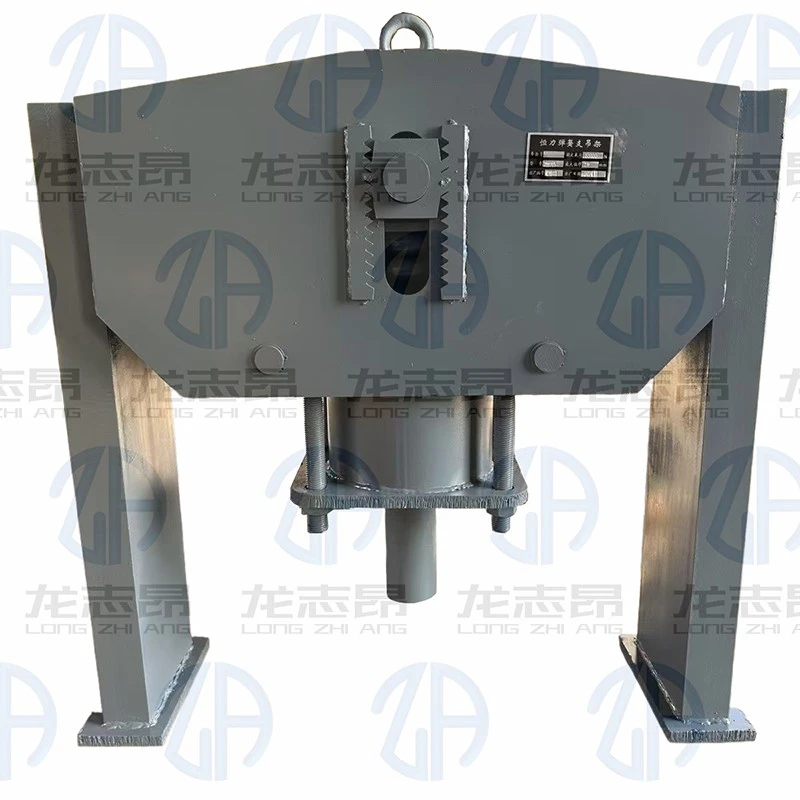
During the assembly of the pipe support, all components should be properly aligned and tightened to prevent any looseness or misalignment. Welding, if used, should be of high quality to ensure the integrity of the structure. After manufacturing, each pipe support should undergo rigorous testing, including load testing, deflection testing, and fatigue testing. Only products that pass these tests should be released to the market. Our Constant Spring Hanger Support is manufactured using state - of - the - art processes to guarantee its quality and reliability.
4. Regular Inspection and Maintenance
Even the most reliable Spring Loaded Pipe Supports require regular inspection and maintenance to ensure their long - term performance. Inspections should be carried out at regular intervals to check for signs of wear, corrosion, or damage. Visual inspections can be used to detect obvious problems such as cracks, deformation, or loose connections. Non - destructive testing methods such as ultrasonic testing or magnetic particle testing can be used to detect internal defects in the components.
Maintenance activities may include cleaning, lubrication, and replacement of worn - out parts. For example, if the spring shows signs of fatigue or loss of stiffness, it should be replaced promptly. Lubrication of moving parts can reduce friction and wear, extending the service life of the support. A well - planned inspection and maintenance program can help identify potential problems before they lead to failures, reducing downtime and maintenance costs.
5. Environmental Protection
The environment in which Spring Loaded Pipe Supports operate can have a significant impact on their reliability. In corrosive environments, proper protection measures should be taken to prevent the corrosion of the support components. This may include the use of corrosion - resistant coatings, enclosures, or cathodic protection systems.
In high - temperature environments, insulation can be used to protect the springs and other components from overheating. Additionally, in areas with high levels of vibration or shock, vibration isolation devices can be installed to reduce the stress on the pipe supports. By protecting the supports from the adverse effects of the environment, we can improve their long - term reliability.
6. Training and Education
Proper training and education for end - users and maintenance personnel are also important for the long - term reliability of Spring Loaded Pipe Supports. Users should be educated on the correct installation, operation, and maintenance procedures of the pipe supports. This includes understanding the load capacity, movement limitations, and inspection requirements of the supports.

Maintenance personnel should be trained in the use of inspection and testing equipment, as well as the proper techniques for repair and replacement of components. By ensuring that all personnel involved in the use and maintenance of Spring Loaded Pipe Supports are well - trained, we can minimize the risk of improper handling and improve the overall reliability of the supports.
Conclusion
Improving the long - term reliability of Spring Loaded Pipe Supports requires a comprehensive approach that includes material selection, precise design, quality manufacturing, regular inspection and maintenance, environmental protection, and training. As a supplier, we are committed to providing high - quality Spring Loaded Pipe Supports and offering professional advice and support to our customers. If you are interested in our products or have any questions about improving the reliability of your pipe supports, please feel free to contact us for further discussion and procurement.
References
- "Pipe Support Engineering Handbook" by W. C. Young
- "Mechanical Design of Machine Elements and Machines: A Failure - Prevention Perspective" by Robert C. Juvinall and Kurt M. Marshek