


Hey there! As a supplier of Spring Loaded Pipe Supports, I've seen firsthand how crucial it is to keep these components in top - notch condition. In this blog, I'll walk you through how to check if your Spring Loaded Pipe Supports are damaged.
Why It's Important to Check for Damage
First off, let's talk about why you should even bother checking these supports. Spring Loaded Pipe Supports play a vital role in piping systems. They help to absorb vibrations, support the weight of pipes, and compensate for thermal expansion and contraction. If these supports are damaged, it can lead to a whole host of problems. You might experience excessive stress on the pipes, which can cause leaks, cracks, or even pipe failures. And trust me, dealing with a pipe failure is no joke—it can be costly and dangerous.
Visual Inspection
The first step in checking for damage is a good old - fashioned visual inspection. This is something you can do pretty easily without any fancy tools.
Check the Spring
The spring is the heart of the Spring Loaded Pipe Support. Start by looking at the spring for any signs of corrosion. Corrosion can weaken the spring over time, reducing its ability to support the pipe properly. You might see rust or discoloration on the spring. If you notice any pitting or flaking of the metal, that's a red flag.
Also, check for any signs of deformation. The spring should have a consistent shape. If it looks bent, twisted, or out of alignment, it's likely damaged. Sometimes, the spring might have been over - compressed or stretched beyond its limits, which can cause permanent damage.
Examine the Housing
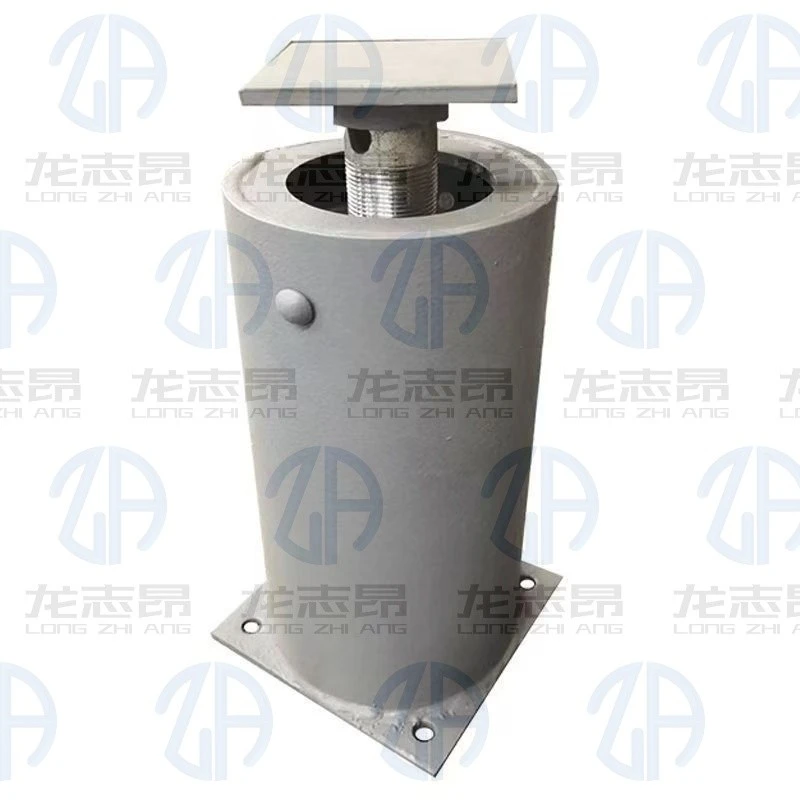
The housing of the Spring Loaded Pipe Support protects the spring and other internal components. Look for any cracks or dents in the housing. Cracks can allow moisture and debris to enter, which can further damage the spring and other parts. Dents can also affect the proper functioning of the support, as they might interfere with the movement of the spring.
Inspect the Mounting Hardware
The mounting hardware, such as bolts and nuts, is what holds the Spring Loaded Pipe Support in place. Check these for tightness. Loose bolts can cause the support to shift, which can lead to uneven loading on the pipe. Also, look for any signs of wear or damage on the bolts and nuts. If they're stripped or corroded, they need to be replaced.
Functional Testing
After the visual inspection, it's time for some functional testing. This will give you a better idea of how well the Spring Loaded Pipe Support is actually working.
Load Testing
One way to test the support is to perform a load test. You'll need to apply a known load to the support and see how it responds. If the support is in good condition, it should be able to handle the load without excessive deflection or movement. You can use a load cell or a similar device to measure the load and the deflection of the support.
If the support deflects more than the specified amount for the given load, it might be damaged. This could be due to a weakened spring or other internal problems.
Movement Testing
Another important test is the movement test. Spring Loaded Pipe Supports are designed to move as the pipe expands and contracts due to temperature changes. You can simulate this movement by gently pushing and pulling on the support. The support should move smoothly and return to its original position without any sticking or binding.
If you feel any resistance or if the support doesn't return to its original position, there might be a problem. It could be due to a damaged spring, debris inside the housing, or misaligned components.

Using Non - Destructive Testing Methods
In some cases, you might want to use non - destructive testing methods to get a more detailed look at the Spring Loaded Pipe Support.
Ultrasonic Testing
Ultrasonic testing can be used to detect internal flaws in the spring or other components. This method uses high - frequency sound waves to detect cracks or other defects that might not be visible during a visual inspection. A trained technician can use an ultrasonic testing device to scan the support and identify any potential problems.
Magnetic Particle Testing
Magnetic particle testing is another option, especially for ferromagnetic materials. This method involves applying a magnetic field to the support and then sprinkling magnetic particles on the surface. If there are any cracks or defects, the magnetic particles will be attracted to them, making them visible.
When to Replace Damaged Spring Loaded Pipe Supports
If you've found that your Spring Loaded Pipe Supports are damaged, it's important to know when to replace them. In general, if the damage is severe, such as a broken spring or a cracked housing, you should replace the support immediately.
Even if the damage seems minor, it's still a good idea to consider replacement. Minor damage can worsen over time, leading to more serious problems down the road. And remember, it's always better to be safe than sorry when it comes to the integrity of your piping system.
Our Product Range
As a supplier, we offer a wide range of Spring Loaded Pipe Supports. We have Variable Spring Pipe Support, which are designed to provide variable support based on the load and movement of the pipe. Our Double Spring Support Hanger Pipe Bracket offers additional support and stability, making it ideal for heavy - duty applications. And our Spring Hanger Pipe Supports are known for their high - quality construction and reliable performance.
Contact Us for Purchase
If you're in the market for new Spring Loaded Pipe Supports or if you have any questions about our products, don't hesitate to reach out. We're here to help you find the right solution for your piping system. Whether you need a single support or a large quantity for a big project, we've got you covered.
References
- "Piping Support Handbook" - A comprehensive guide on piping supports and their maintenance.
- Industry standards and guidelines on Spring Loaded Pipe Supports from relevant engineering associations.