


Hey there! As a supplier of Variable Spring Pipe Supports, I've seen my fair share of installation errors. These errors can be a real headache, leading to all sorts of problems down the line. In this blog, I'm gonna share some tips on how to avoid those pesky installation errors and ensure your Variable Spring Pipe Supports work like a charm.
Understanding Variable Spring Pipe Supports
Before we dive into the installation stuff, let's quickly go over what Variable Spring Pipe Supports are. These supports are designed to handle the thermal expansion and contraction of pipes. They work by providing a variable load as the pipe moves, which helps to maintain the proper alignment and support of the pipe system.
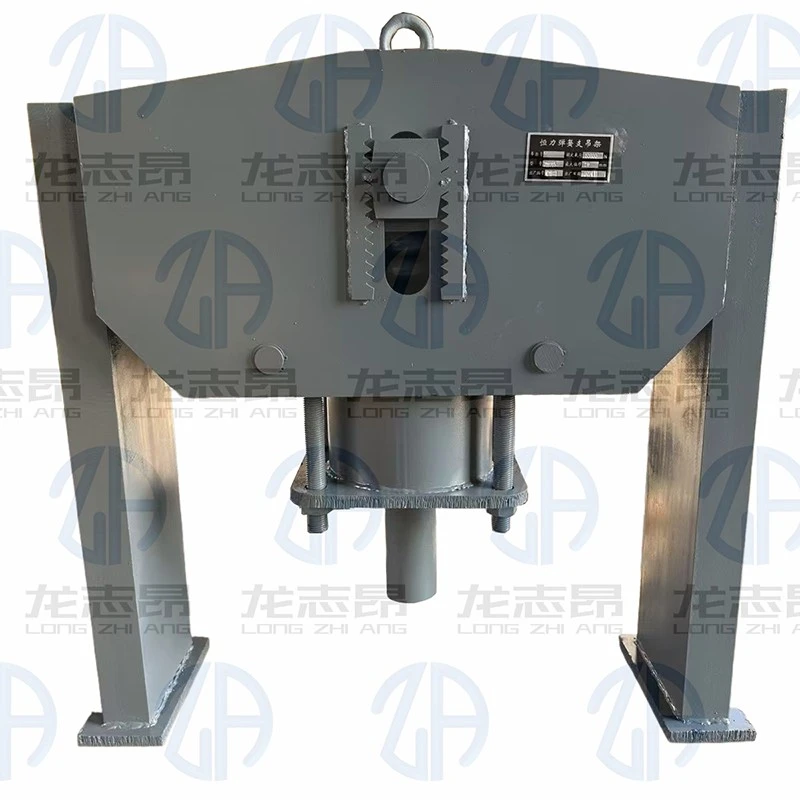
There are different types of spring supports, like Constant Spring Hanger Support, Double Spring Support Hanger Pipe Bracket, and Spring Loaded Pipe Supports. Each type has its own unique features and applications, so it's important to choose the right one for your specific needs.
Pre - Installation Checks
The first step in avoiding installation errors is to do a thorough pre - installation check. This includes inspecting the supports themselves and the installation site.
Inspecting the Supports
When you receive your Variable Spring Pipe Supports, take a good look at them. Check for any visible damage, like dents, cracks, or rust. Make sure all the components are included and in good condition. If you notice any issues, contact your supplier right away. Also, verify the specifications of the supports. Check the load capacity, travel range, and spring rate to ensure they match your project requirements.
Site Inspection
The installation site is just as important as the supports themselves. Check the surface where the supports will be installed. It should be clean, flat, and free of any debris or obstacles. Measure the space carefully to make sure the supports will fit properly. If the site has any uneven surfaces, you may need to make some adjustments or use shims to ensure a level installation.
Proper Installation Techniques
Now, let's talk about the actual installation process. Following the correct techniques is crucial to avoid errors.
Mounting the Supports
When mounting the Variable Spring Pipe Supports, make sure to use the right tools and hardware. Follow the manufacturer's instructions for tightening the bolts and nuts. Over - tightening can damage the supports, while under - tightening can lead to loose connections and instability.
For example, if you're installing a Double Spring Support Hanger Pipe Bracket, make sure the brackets are aligned correctly. Use a level to ensure they are straight and plumb. This will help to distribute the load evenly and prevent premature wear and tear on the supports.
Connecting to the Pipes
Connecting the supports to the pipes requires precision. Use the appropriate clamps or connectors to secure the pipes to the supports. Make sure the connections are tight and secure, but also allow for some movement to accommodate thermal expansion.
If you're using Spring Loaded Pipe Supports, pay special attention to the spring adjustment. The spring should be set to the correct initial load based on the weight of the pipe and the expected thermal movement. Incorrect spring adjustment can lead to excessive stress on the pipes and supports.
Alignment and Leveling
Alignment and leveling are key factors in a successful installation. Misaligned supports can cause uneven loading, which can lead to premature failure of the supports and the pipes.
Pipe Alignment
Before installing the supports, make sure the pipes are properly aligned. Use a laser level or a string line to ensure the pipes are straight and in the correct position. If the pipes are not aligned, the supports may not be able to function correctly.
Support Leveling
Level the supports during installation. This helps to ensure that the load is evenly distributed across all the supports. Use a spirit level to check the supports in both the horizontal and vertical planes. If the supports are not level, adjust them using shims or other leveling methods.

Documentation and Record - Keeping
Documentation is often overlooked but is an important part of the installation process. Keep a record of all the installation steps, including the date of installation, the tools used, and any adjustments made. This documentation can be useful for future reference, maintenance, and troubleshooting.
Also, make sure to keep the installation manuals and product specifications handy. These documents provide valuable information about the proper use and maintenance of the Variable Spring Pipe Supports.
Training and Education
If you're not experienced in installing Variable Spring Pipe Supports, it's a good idea to get some training. Many suppliers offer training programs for their products. This training can teach you the proper installation techniques, safety procedures, and maintenance tips.
Even if you have some experience, it's still beneficial to stay updated on the latest installation methods and industry standards. Attend workshops or seminars related to pipe support installation to learn from experts in the field.
Post - Installation Testing
After the installation is complete, it's important to do some post - installation testing. This includes checking the functionality of the supports and the overall performance of the pipe system.
Functionality Check
Check if the Variable Spring Pipe Supports are moving freely within their specified travel range. Apply a small load to the pipes to simulate normal operating conditions and observe how the supports respond. If you notice any binding or unusual movement, investigate the issue immediately.
System Performance
Monitor the performance of the pipe system over time. Look for any signs of leaks, vibrations, or excessive movement. If you detect any problems, it could be a sign of an installation error. Address these issues promptly to prevent further damage.
Conclusion
Avoiding installation errors of Variable Spring Pipe Supports is all about preparation, following the right techniques, and paying attention to detail. By doing pre - installation checks, using proper installation techniques, ensuring alignment and leveling, keeping good documentation, getting training, and conducting post - installation testing, you can significantly reduce the risk of installation errors.
If you're in the market for high - quality Variable Spring Pipe Supports or need more information about installation and maintenance, don't hesitate to reach out. We're here to help you choose the right supports for your project and ensure a smooth installation process. Contact us for a consultation and let's work together to make your pipe support project a success.
References
- Pipe Support Handbook, various industry publications
- Manufacturer's installation manuals for Variable Spring Pipe Supports