


Are there any standards for the design of Constant Spring Hanger Supports?
As a supplier of Constant Spring Hanger Supports, I often encounter questions from clients regarding the design standards of these crucial components. In this blog post, I will delve into the various aspects of design standards for Constant Spring Hanger Supports, exploring why they matter and what they entail.
The Importance of Design Standards
Design standards for Constant Spring Hanger Supports are of utmost significance in ensuring the safety, reliability, and efficiency of industrial piping systems. These supports are used to counteract the effects of thermal expansion and contraction, as well as other dynamic loads such as vibration and seismic activity. Without proper design standards, there is a risk of premature failure of the hanger supports, which can lead to pipe sagging, misalignment, and even catastrophic pipe rupture.
Moreover, adhering to design standards helps to maintain the integrity of the entire piping system. It ensures that the hanger supports are capable of withstanding the expected loads and operating conditions throughout their service life. This not only reduces the likelihood of costly repairs and downtime but also enhances the overall performance and longevity of the industrial facility.
International and National Standards
There are several international and national standards that govern the design of Constant Spring Hanger Supports. One of the most widely recognized standards is the American National Standards Institute (ANSI) and the American Society of Mechanical Engineers (ASME) B31 series of codes. These codes provide guidelines for the design, fabrication, installation, and inspection of piping systems, including the requirements for spring hanger supports.
The ASME B31.1 Power Piping code, for example, specifies the design criteria for spring hangers used in power generation plants. It covers aspects such as load capacity, deflection limits, and material selection. Similarly, the ASME B31.3 Process Piping code applies to piping systems in chemical, petroleum, and other process industries, and it also includes provisions for the design of spring hanger supports.
In addition to the ASME codes, the International Organization for Standardization (ISO) has also developed standards related to piping components, including spring hangers. The ISO 15652 standard, for instance, provides requirements for the design, manufacture, and testing of spring hangers for industrial piping systems.
Key Design Parameters
When designing Constant Spring Hanger Supports, several key parameters need to be considered to ensure compliance with the relevant standards. These parameters include:
Load Capacity
The load capacity of a Constant Spring Hanger Support is the maximum load that it can safely carry. It is determined by factors such as the weight of the pipe, the fluid inside the pipe, and any additional loads such as insulation or equipment attached to the pipe. The design of the spring hanger must ensure that it can support the full range of expected loads without exceeding its rated capacity.
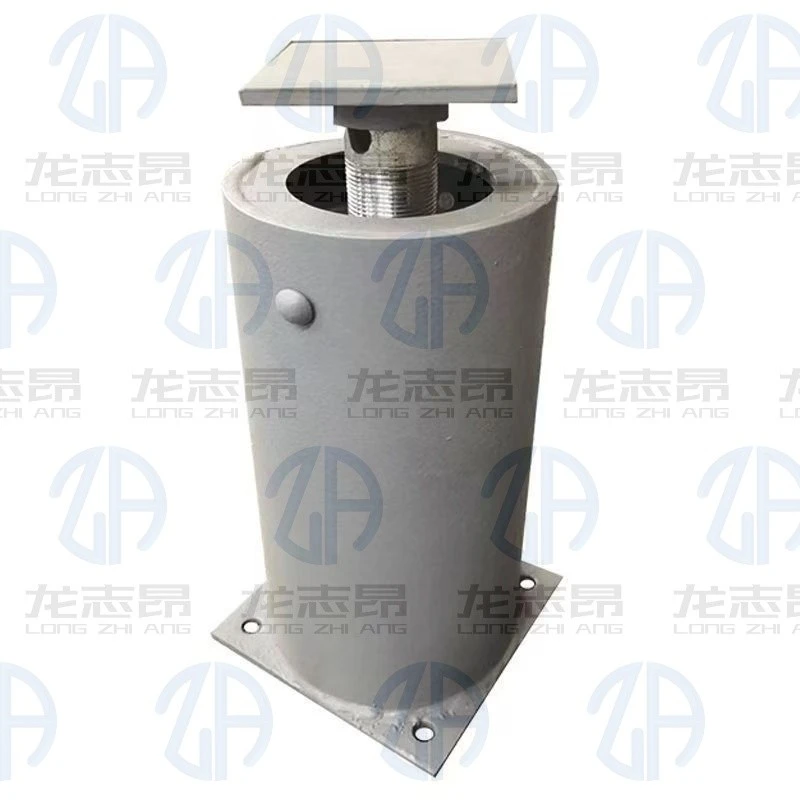

Deflection
Deflection refers to the amount of movement that the spring hanger allows in response to changes in load. The design standards specify the maximum allowable deflection to ensure that the pipe remains within its acceptable operating limits. Excessive deflection can cause stress concentrations in the pipe, leading to fatigue failure over time.
Spring Rate
The spring rate is the amount of force required to compress or extend the spring by a unit distance. It is an important parameter in the design of Constant Spring Hanger Supports, as it determines the stiffness of the spring and its ability to maintain a constant load over a range of deflections. The spring rate must be carefully selected to match the specific requirements of the piping system.
Material Selection
The choice of materials for the spring hanger is crucial for its performance and durability. The materials must have sufficient strength, corrosion resistance, and fatigue resistance to withstand the operating conditions. Common materials used for spring hangers include carbon steel, stainless steel, and alloy steel, depending on the application.
Quality Assurance and Testing
To ensure that Constant Spring Hanger Supports meet the design standards, rigorous quality assurance and testing procedures are essential. Manufacturers typically conduct a series of tests during the production process, including load testing, deflection testing, and material testing.
Load testing involves applying a known load to the spring hanger and measuring its deflection to verify that it meets the specified load capacity and deflection limits. Deflection testing is used to ensure that the spring hanger provides the required amount of movement under different load conditions. Material testing, such as chemical analysis and mechanical property testing, is performed to confirm the quality and suitability of the materials used.
In addition to in-house testing, third-party inspection and certification may also be required for certain applications. This provides an independent verification of the compliance of the spring hanger supports with the relevant standards.
Our Commitment as a Supplier
As a supplier of Constant Spring Hanger Supports, we are committed to providing high-quality products that meet or exceed the design standards. We have a team of experienced engineers and technicians who are well-versed in the latest design codes and standards. They use advanced design software and manufacturing techniques to ensure the accuracy and reliability of our products.
We also maintain strict quality control measures throughout the production process. From material procurement to final inspection, every step is carefully monitored to ensure that our spring hanger supports meet the highest quality standards. We work closely with our clients to understand their specific requirements and provide customized solutions that are tailored to their needs.
Related Products
In addition to Constant Spring Hanger Supports, we also offer a wide range of other spring hanger products, including Spring Hanger Pipe Supports, Variable Spring Pipe Support, and Double Spring Support Hanger Pipe Bracket. These products are designed to provide reliable support for industrial piping systems in various applications.
Contact Us for Procurement
If you are in need of high-quality Constant Spring Hanger Supports or any of our other spring hanger products, we invite you to contact us for procurement. Our team of experts will be happy to assist you in selecting the right products for your specific requirements and provide you with competitive pricing and excellent customer service.
References
- American Society of Mechanical Engineers (ASME). B31.1 Power Piping Code.
- American Society of Mechanical Engineers (ASME). B31.3 Process Piping Code.
- International Organization for Standardization (ISO). ISO 15652 - Spring hangers for industrial piping systems.