


Are Cold Shoes for Carbon Steel Pipes Resistant to Biological Corrosion?
As a supplier of Cold Shoes for Carbon Steel Pipes, I've received numerous inquiries regarding the resistance of these products to biological corrosion. This blog post aims to delve into this topic, providing a comprehensive analysis based on scientific knowledge and real - world experience.
Biological corrosion, also known as microbiologically influenced corrosion (MIC), is a complex phenomenon that involves the interaction between microorganisms, such as bacteria, fungi, and algae, and metal surfaces. These microorganisms can form biofilms on the surface of carbon steel pipes, which act as a protective layer for the microbes and create a micro - environment that accelerates corrosion.
Carbon steel is a common material used in piping systems due to its strength, affordability, and ease of fabrication. However, it is susceptible to corrosion, especially in environments where biological activity is present. Cold shoes for carbon steel pipes are designed to support and insulate these pipes, but their resistance to biological corrosion is a critical factor that needs to be considered.
Mechanisms of Biological Corrosion in Carbon Steel Pipes
The process of biological corrosion in carbon steel pipes typically starts with the attachment of microorganisms to the pipe surface. Once attached, the microbes secrete extracellular polymeric substances (EPS), which form a biofilm. This biofilm can change the local chemical environment around the metal surface. For example, some bacteria can produce acidic by - products, such as sulfuric acid or acetic acid, which lower the pH at the metal - biofilm interface. A low - pH environment can accelerate the dissolution of iron from the carbon steel, leading to corrosion.
In addition, certain bacteria can also participate in electrochemical reactions. For instance, sulfate - reducing bacteria (SRB) can reduce sulfate ions in the environment to hydrogen sulfide. Hydrogen sulfide is a highly corrosive gas that can react with iron in the carbon steel to form iron sulfide. This reaction not only weakens the pipe wall but also creates pits and crevices on the surface, further promoting corrosion.
Resistance of Cold Shoes for Carbon Steel Pipes to Biological Corrosion
The resistance of cold shoes to biological corrosion depends on several factors, including the material of the cold shoe, the design, and the protective coatings applied.
Material Selection
Cold shoes can be made from various materials, such as carbon steel, stainless steel, or composite materials. Carbon steel cold shoes are the most common due to their cost - effectiveness. However, they are more prone to biological corrosion compared to stainless steel. Stainless steel contains chromium, which forms a passive oxide layer on the surface. This layer acts as a barrier, preventing the attachment of microorganisms and the penetration of corrosive substances.
Composite materials, on the other hand, can offer better resistance to biological corrosion. Some composite materials are non - porous and have a smooth surface, which makes it difficult for microorganisms to attach and form biofilms. Additionally, certain composite materials can be formulated to have antimicrobial properties, further enhancing their resistance to biological corrosion.
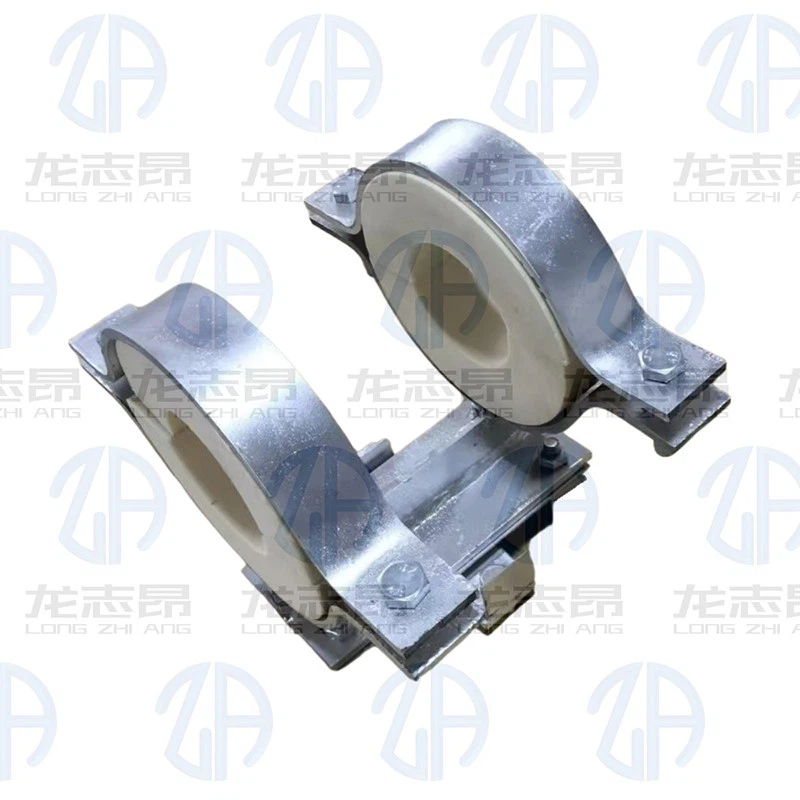

Design Considerations
The design of cold shoes can also influence their resistance to biological corrosion. A well - designed cold shoe should minimize the accumulation of moisture and debris, as these can provide a favorable environment for microbial growth. For example, cold shoes with a sloped design can allow water to drain away easily, reducing the risk of biofilm formation.
Moreover, the design should ensure proper insulation of the pipe. If the insulation is inadequate, it can lead to condensation on the pipe surface, creating a wet environment that promotes biological activity. Pre Insulated Low Temperature Pipe Supports are an excellent option as they are designed to maintain a consistent temperature and prevent condensation.
Protective Coatings
Applying protective coatings to cold shoes is an effective way to enhance their resistance to biological corrosion. There are several types of coatings available, such as epoxy coatings, polyurethane coatings, and zinc - rich coatings.
Epoxy coatings are widely used due to their excellent adhesion, chemical resistance, and barrier properties. They can form a tough, continuous film on the surface of the cold shoe, preventing the penetration of microorganisms and corrosive substances. Polyurethane coatings, on the other hand, offer good flexibility and abrasion resistance, which can protect the cold shoe from mechanical damage during installation and operation.
Zinc - rich coatings work through a process called cathodic protection. Zinc is more electrochemically active than carbon steel, so it corrodes preferentially, protecting the underlying carbon steel from corrosion. This type of coating can provide long - term protection against biological corrosion.
Real - World Examples and Case Studies
In industrial settings, such as oil refineries and chemical plants, the resistance of cold shoes to biological corrosion is of utmost importance. For example, in a refinery where carbon steel pipes are used to transport crude oil and other petroleum products, the cold shoes supporting these pipes are exposed to a variety of corrosive substances, including microorganisms.
A case study conducted in a chemical plant showed that cold shoes made from stainless steel with a polyurethane coating had significantly less biological corrosion compared to carbon steel cold shoes without any coating. After a period of one year, the uncoated carbon steel cold shoes showed signs of pitting and rusting, while the stainless steel cold shoes with the polyurethane coating remained in good condition.
Another example is in a refrigeration system. Red Pine Cold Insulation Pipe Holder are often used to support the pipes. These holders are designed to provide good insulation and have a smooth surface that resists the attachment of microorganisms. In a refrigeration system where the pipes are constantly exposed to moisture, the Red Pine Cold Insulation Pipe Holders have shown excellent resistance to biological corrosion.
Conclusion
In conclusion, the resistance of cold shoes for carbon steel pipes to biological corrosion is a multi - faceted issue. While carbon steel cold shoes are prone to biological corrosion, proper material selection, design, and the application of protective coatings can significantly enhance their resistance. Stainless steel and composite materials offer better inherent resistance, and well - designed cold shoes can minimize the conditions that promote biological activity. Protective coatings, such as epoxy, polyurethane, and zinc - rich coatings, can provide an additional layer of protection.
If you are in the market for high - quality cold shoes for carbon steel pipes that are resistant to biological corrosion, we are here to assist you. Our products are designed with the latest technology and best - practices in mind to ensure long - term performance and reliability. Contact us to discuss your specific requirements and start a procurement negotiation that meets your needs.
References
- Little, B. J., & Lee, W. (2007). Microbiologically influenced corrosion. Springer Science & Business Media.
- Uhlig, H. H., & Revie, R. W. (2019). Corrosion and corrosion control: an introduction to corrosion science and engineering. John Wiley & Sons.
- Fontana, M. G. (1986). Corrosion engineering. McGraw - Hill.